How to Increase the Productivity of Your Labor?  

Whether it is a business, government , or non-profit institution, most work is completed by human activity–for now, until AI takes over. These organizations’ output is produced by human activity. The human factor is of vital importance. And as Grove (2015) stated, “The output of a manager is the output of the organizational units under […]

What Limo and Bus Companies Must Fix to Scale Profitably

GSI Conference

Thanks to James Blain for voicing what everybody in the limo and bus industry is experiencing and bringing solutions on how to tackle these issues. Common issues operators face are insurance, delivering consistent customer service, the process and the systems to scale, and 72-hour rule on how to handle crises.  Insurance. James shared that there […]

How Chauffeured Transportation Companies Can Tackle Rising Insurance Costs and Service Inconsistency

GSI Conference

If you run a chauffeured ground transportation business today, you are likely fighting two silent profit killers: rising insurance premiums and inconsistent service quality. As fleets grow, maintaining the high-touch customer service that got you started becomes exponentially harder. At the same time, insurance carriers are tightening requirements and raising rates on operators who can’t […]

Why Business Advisors Matter and What to Look For When Choosing One

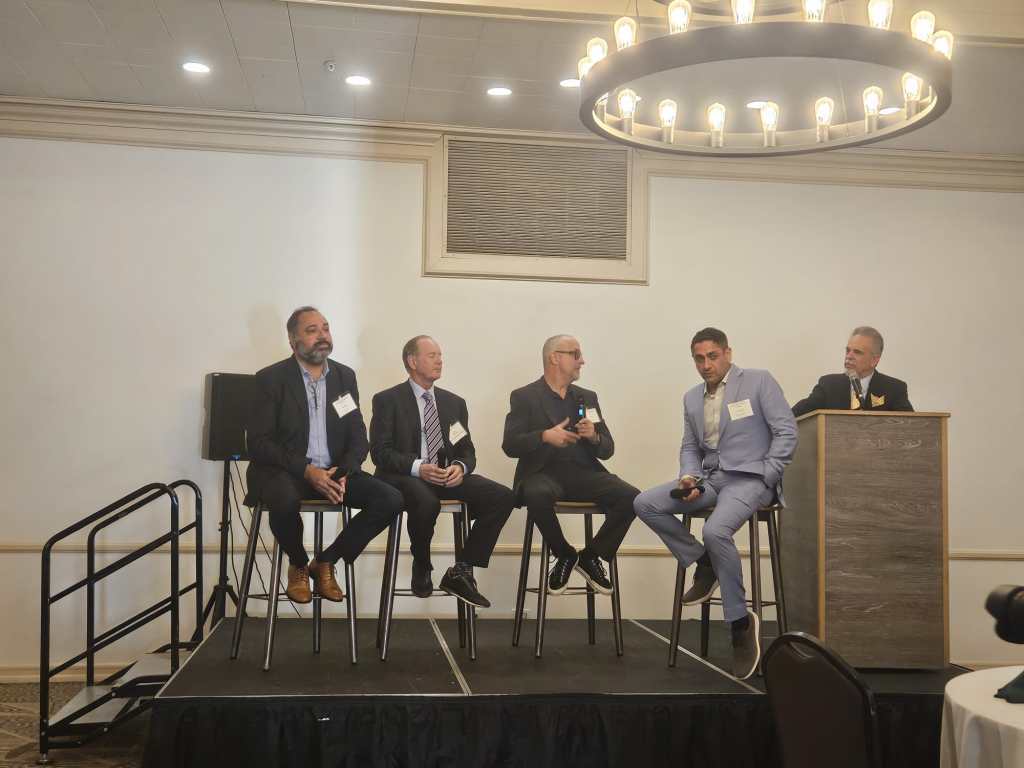
I got the opportunity to attend and learn at the EPI SD event held at Lomas Santa Fe Country Club. The session was moderated by Andrea Steinbrenner. The panelists shared their experiences working with business advisors and business consultants. Panelists candidly shared what they look for in an advisor, the challenges of  working with them, […]

How Your Online Reputation Can Lose You Business
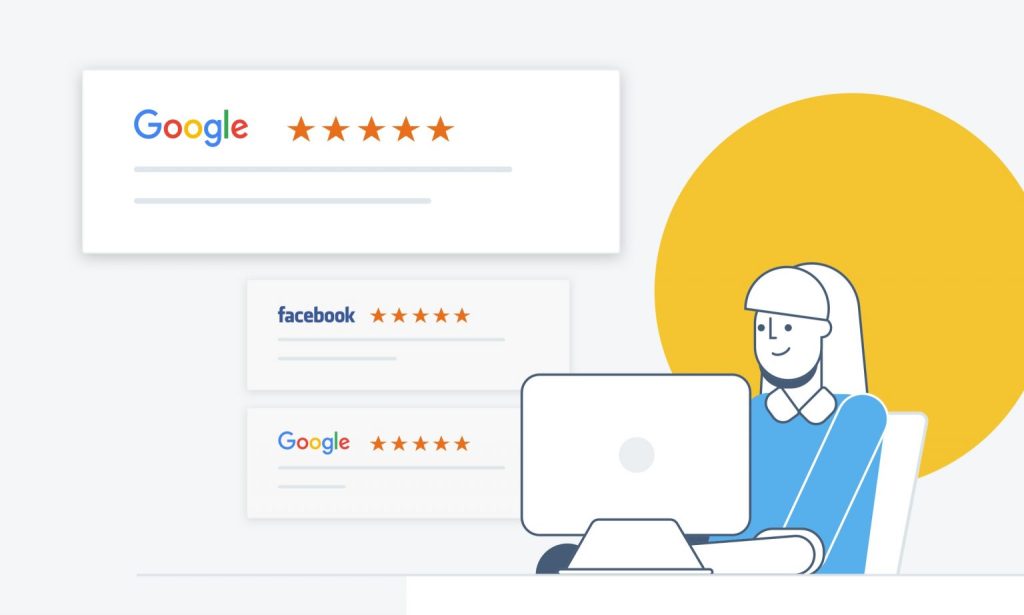
Your online reviews may say a lot about your company and how you deliver your services or products. A good reputation with good reviews brings additional business and increases the confidence of customers to do business with you, while a bad reputation and reviews do the opposite. My main healthcare provider referred me to another […]

Leads are money left on the table: The Lead Follow-Up Gap

executive-coaching-san-diego

Small-to-mid-size businesses spend a great deal of money to acquire leads for the purpose of acquiring customers.However a good number of small businesses don’t properly follow up. Some reasons for a lack of follow-up are: they don’t have time, they are busy or they are buried in day-to-day work. Or, they engage with things they […]

To be or not to be on Social media?

There are many social media platforms to be on nowadays: Facebook, Instagram, Twitter, LinkedIn, YouTube, Google Business, and TikTok. Did I forget any? Sure, I might have forgotten one or two. There are numerous channels nowadays. It becomes a challenge to decide which platform to be on. When I visit companies’ websites, I see multiple […]

How to Find the Right Customers to Grow Your Business

In the following, I will share one of the key challenges in defining the ideal customer that small to midsize businesses face and how to overcome it. It is a challenging task for many of us to think thoroughly about who, exactly, might be interested in our products and services. Doing that requires thought, analysis and research. You must also accept the fact that not everyone is your customer. To grow your business, you must know your ideal target market well and communicate a consistent message to them. Know the words your ideal customers use - how they express their ideas. In other words, know who your customers are. Know them inside and out and define them as an individual with special needs, concerns, and desires. Go beyond demographics. Demographics are age, gender, location. Know both their demographics and psychographics. Psychographics are about their internal status, thoughts, motivations, aspirations, fears, interests and desires. No company has unlimited resources (money, time, employees) whether small or large. The majority of the small to midsize businesses run on a limited budget. Hence, selecting and defining your ideal target customer is the first and most important step in the process of creating an effective and result-driven marketing plan. By doing that, you create a better marketing message that resonates better with your target customers. Furthermore, you will get a better return on your investments, such as time, energy and money. Narrow the field by segmenting your customers. Segmentation is dividing a general target market into smaller manageable, and similar segments based on common characteristics like demographics, psychographics, geographics, or behaviors. Demographic: location, region. Psychographic: personality, attitudes, interests, lifestyle values. Their internal status. Behavioral: buying habits, usage patterns, brand loyalty and benefits sought. Segmenting in this way makes your audience easier to target and communicate with. If we break buyers into separate segments and classify everything we know about each one, we make it easier to create campaigns targeted to each segment. Plus, when you think about your ideal target customer you can see how the marketing might be different for different segments. Different ideal customers buy different things from your firm. If you are too broad and target all market segments, then your marketing efforts will be ineffective. Different people call it different names; some call it an ‘avatar,’ ‘core customer,’ or ‘buyer persona.’ I will use the term ‘Ideal Customer Profile.’ Whatever you decide to name it, create a profile for each group you will target. It is a representation of your ideal customer. Your ideal customer profile is a detailed description of a buyer who has a specific need that your firm, product or service solves. Your ideal customer profile is a description of a person. Create a detailed description of your ideal customer’s life and motivations. Determine the heart and soul of the customer you must appeal to in order to grow your business. Be as specific as possible about all the characteristics that are relevant. In other words, identify and define the individual who represents your ideal customer. Describe him or her in detail, avoiding generic descriptions. When describing this person, go beyond demographics. Describe their needs, desires, wants, and what they demand from a firm like yours. Use simple, specific and unambiguous words that articulate what this individual is looking for in the context of your products and services. Don’t list the products or services you sell. Doing that will provide you with insight to see things through your buyer’s eyes and empathize with them. Consider naming your ideal target customer profile and find a representative photo from the internet or magazine to visualize him or her. Naming your ideal target customer profile brings that persona to life. Plus, naming helps you to gain a deeper understanding of the real people you are targeting. Creating an ideal target customer profile will help you create specific marketing programs that speak to them and are relevant because you know them so well. You’ll know what to say and where when you truly know their needs, desires, wants or demands and how they think, feel and what matters to them. The best way to create an ideal customer profile is by conducting research: ask questions and interview people who know your business, such as vendors, advisors, customers, and employees. List the customers of your competitors and the ones you share with competitors. Read the publications and websites that your ideal target customers read. This will give you valuable insight into how they think. Study the agendas and topics descriptions of the conferences and seminars that your ideal target customers frequent. Ask yourself: What is each ideal customer buying from you? Is it great customer service? Safety? Luxury? What are their goals and aspirations? What are their problems? What keeps them awake at night? What are they afraid of? What are they angry about? What are they angry at? Who are they angry at? What are their top daily frustrations? What websites do they visit? What social media channels do they use? What trade associations are they part of? What conferences do they attend? What competitors do they buy from? How can we reach them? What is this person's day like? What is the main dominant emotion this market feels? Good luck discovering your ideal target customer! Once completed, you will have a clear understanding and picture of your ideal customer. This process will help you tremendously in reaching the right buyer while maximizing limited resources. Remember, not everyone is your ideal customer. By studying, researching and answering questions above, you will identify your ideal customer allowing you to create a very effective marketing plan and messages that resonate. This process will help you save money and grow your business by capturing the right customers.

In the following, I will share one of the key challenges in defining the ideal customer that small to midsize businesses face and how to overcome it. It is a challenging task for many of us to think thoroughly about who, exactly, might be interested in our products and services. Doing that requires thought, analysis […]